

Garage conversion ideas are reshaping the way homeowners maximize space, whether for a home office, gym, or extra living area. Turning your underused garage into functional, valuable square footage is possible on most budgets—but it takes careful planning and real-world know-how to do it right.
Key Takeaways
- Garage conversions can cost anywhere from $6,000 for a basic remodel up to $50,000 (or more) for high-end living spaces, depending on type and location.
- Critical factors include permits, insulation, utilities, and compliance with local codes—often overlooked but vital for a successful project.
- Well-designed garage conversions boost living space and home value, but skipping steps or underestimating costs can create long-term headaches.
- Understanding Garage Conversion Ideas
- Step-by-Step Garage Conversion Guide
- Advanced Analysis & Common Pitfalls
- Conclusion
- Frequently Asked Questions
Understanding Garage Conversion Ideas
Garage conversions transform an attached or detached garage into useful space that matches your family’s needs. The most popular options include a garage office, home gym, guest bedroom, or even a small rental unit. This trend is fueled by the need for more living space, changing work patterns, housing shortages, and the ability to get more from your property without major additions.
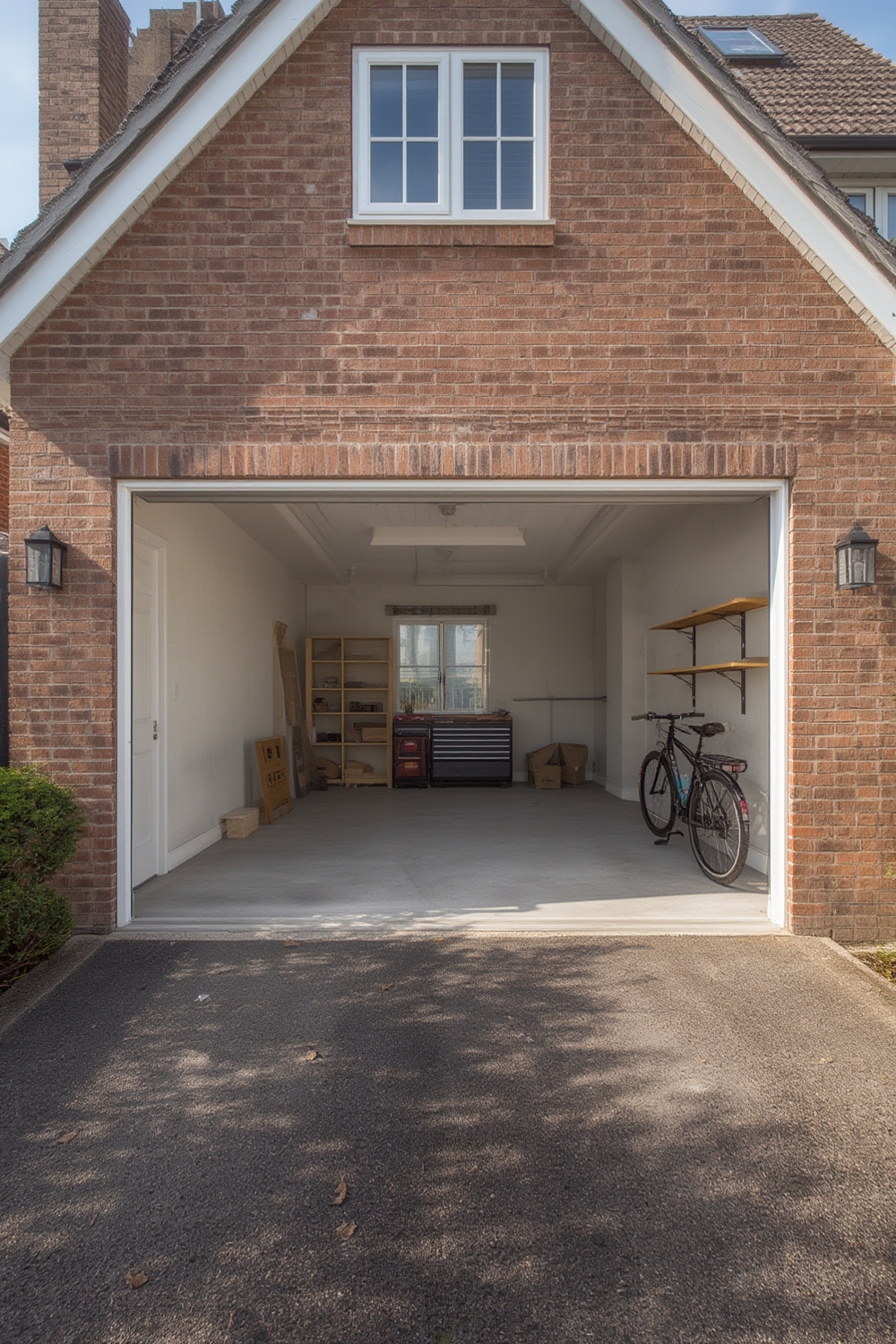
Converting your garage lets you address pain points like lack of privacy, cramped quarters, or underutilized square footage. However, not all garage conversion ideas are created equal. Costs, resale value, code requirements, and potential disruption vary widely. Understanding what’s involved—and what might go wrong—sets the groundwork for a successful project that adds genuine value.
If you’re considering a specialized use like a garage office conversion or want to maximize comfort with affordable sound control, projects like DIY soundproofing can take your conversion to the next level. It’s smart to know your main goal up front—home office, gym, or rental—so you can design and budget accordingly.
Step-by-Step Garage Conversion Guide
Here’s a practical breakdown of the main steps to take your garage conversion idea from dream to done:
- Assess Feasibility and Set a Goal: Decide if you want a full living space conversion, a home office, gym, guest suite, or something else. Consider local demand—remote work has fueled interest in smart upgrades like smart thermostats for both comfort and energy savings.
- Research Local Codes and Permitting: Before even sketching plans, talk to your city or county about required permits and code compliance. Some areas, like California, have strict standards and high average costs (up to $37,400).
- Establish a Realistic Budget: Average costs range (in 2024) from $6,000 for minor upgrades to $50,000 or more for full living spaces with plumbing and insulation. Utilities and finish level make a huge difference. It’s best to leave at least a 15% contingency for hidden costs.
- Design for Comfort and Resale: Insulation, ventilation, and natural light are critical. Replace garage doors with insulated walls and windows when transforming to living space, and upgrade electrical if you’re adding a gym or office. For inspiration, check out our top garage conversion ideas guide.
- Line Up Pros and DIY Tasks: Unless you’re an experienced contractor, hire specialists for HVAC, electrical, and plumbing. DIY work is feasible for finishes like painting and basic flooring, which can save significant costs (simple makeovers range from $3,500–$3,675).
- Plan the Build and Timeline: Most garage conversions take 4–8 weeks. A one-car garage conversion is usually faster (and less expensive) than a two-car setup.
- Finalize Finishes and Move In: Once inspections are passed, personalize the space with furniture, tech, and finishes that match the new use—whether it’s a gym, studio, or cozy apartment.
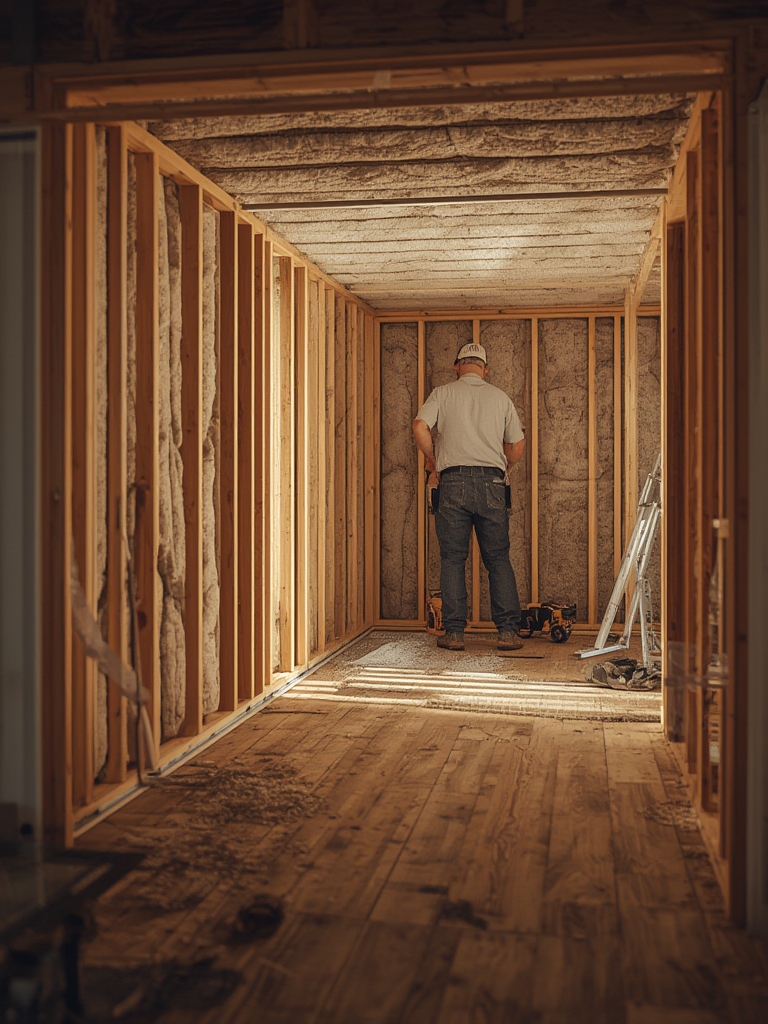
Want to control noise for a garage gym or home office? Explore our guide to DIY soundproofing for cheap soundproofing solutions. Small tweaks—like gaskets on doors or layered curtains—can make budget conversions feel much more private, especially in urban settings.
Advanced Analysis & Common Pitfalls
Even with a clear plan, garage conversions can go sideways. Here’s what typically trips up homeowners, based on current research and cost data:
| Common Pitfall | What Goes Wrong | How To Avoid |
|---|---|---|
| Skipping Permits | Unpermitted work can halt sales, block refinancing, and result in fines—especially in states like California. | Submit plans to city or county early. Track all approvals. |
| Underestimating Costs | Surprise expenses for utilities, insulation, or foundation fixes quickly blow budgets. | Use a high estimate and add a 10–15% buffer. |
| Poor Climate Control | Garages often lack heating/cooling. Without proper insulation and HVAC, the space isn’t comfortable or code-compliant. | Plan for building envelope upgrades. See this insulation cost guide. |
| Overlooking Electrical Upgrades | An office or gym needs more outlets, proper lighting, and sometimes new circuits for high-power equipment. | Hire a licensed electrician and build wiring upgrades into your plan. |
| Ignoring Resale Value Impact | Homes without garages may lose value in markets where parking is at a premium, even if living space increases. | Consider local buyer preferences and consult a real estate agent before converting your only garage. |
| Weak Soundproofing | Office or gym conversions suffer from traffic/neighbor noise if not soundproofed effectively. | Implement DIY soundproofing or professional-grade acoustic measures. |
Budget can also swing based on region. For example, a living space conversion in California averages $37,400 and requires strict code compliance, while similar projects run as low as $8,800 in Texas. See breakdowns in this cost report and national garage remodel data. Utilities, labor rates, and design choices drive most of the difference.
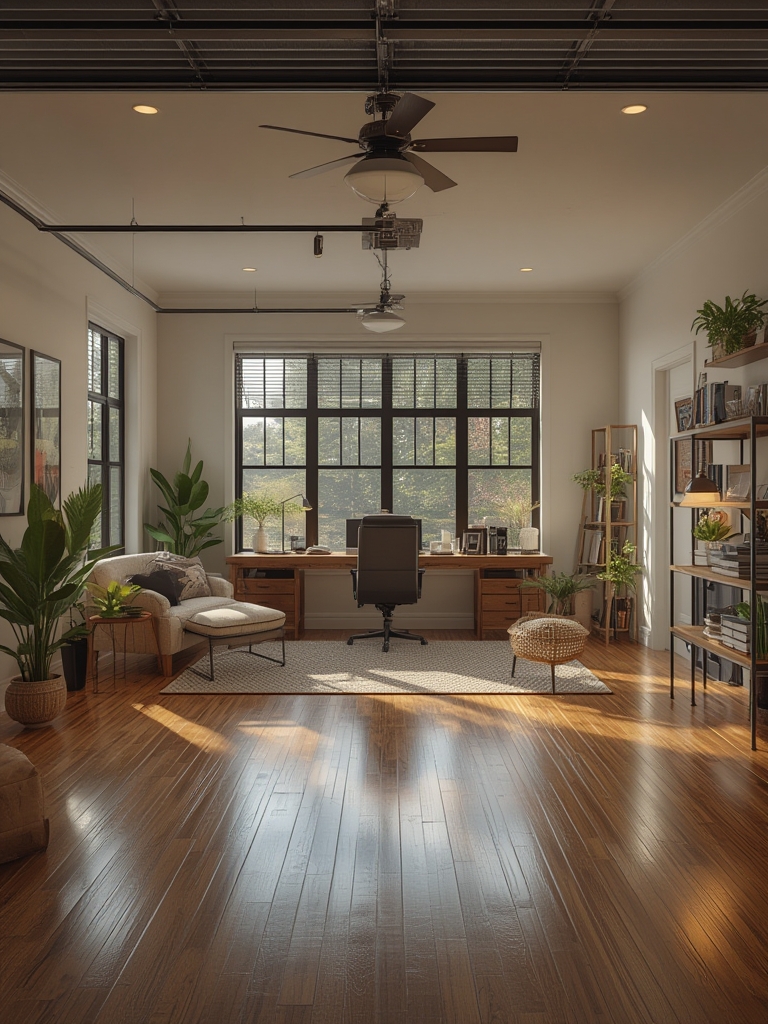
If you’re remodeling for smart living, pairing with DIY smart thermostat setup can help maximize comfort and energy efficiency in your new space—with minimal ongoing costs.
Conclusion
Garage conversion ideas can unlock flexible space, from private offices to full living suites, but execution hinges on smart planning, clear budgeting, local code compliance, and honest expectations. Done right, conversions add value and comfort—done wrong, they lead to expense, hassle, or even reduced resale value. Remember, the right garage conversion ideas will always fit your family’s real needs, local resale landscape, and DIY skill level.
Ready to start your project? Dive deeper into specific guides—like garage office conversions or budget-friendly DIY soundproofing—and get the most out of your home’s hidden space.
Frequently Asked Questions
How much does it cost to convert a garage in 2024?
Nationally, garage conversions range from $6,000 for a basic remodel to $27,726 for full conversions. Turning a garage into a living space averages $20,000 (simple bedroom) up to $50,000+ for high-end finishes. Your exact cost depends on region, size, and scope. For the latest numbers, see the 2024 cost report.
Do I need permits to convert my garage?
Yes, almost all garage conversions require permits—especially if plumbing, structural, or major electrical work is involved. Permitting is strict in states like California. Skipping permits can block refinances and resales.
Will converting my garage hurt resale value?
In many cases, adding living space adds value, especially where extra rooms are scarce. But removing your only garage can reduce appeal in markets where parking is valued. Research local buyer trends and talk to a realtor first.
What are the most popular garage conversion ideas?
Home offices, gyms, guest suites, and rental apartments lead the list. Flexible spaces, like studios or utility rooms, are popular for families going remote or seeking rental income. Explore top garage conversion ideas for more inspiration.
How can I soundproof my garage conversion?
Use weatherstripping, dense insulation, and acoustic panels on walls and ceilings. Heavy curtains or layered doors help. See step-by-step in our DIY soundproofing guide for more affordable solutions.