

### Blog Post:
Eco-friendly paint is quickly changing the way we think about safer, healthier home renovations. Whether you’re worried about VOCs, want a non-toxic nursery, or hope to support sustainable paint brands, this guide covers what matters most—real market data, pitfalls, and step-by-step advice grounded in 2024 trends.
Key Takeaways
- The eco-friendly paint market is booming, driven by health and sustainability concerns, with water-based and zero-VOC products growing fastest.
- Real-life challenges include higher price tags and occasional performance trade-offs, but innovations are closing the gap with conventional options.
- Understanding certifications, verifying claims, and applying eco-friendly paint the right way makes a tangible difference both for indoor health and the planet.
- What Is Eco-Friendly Paint? (And Why It’s Gaining Traction in 2024)
- How to Choose and Apply Eco-Friendly Paint: Step-by-Step Guide
- Advanced Analysis & Common Pitfalls: What Most Miss About Eco Paints
- Conclusion & Next Steps
- FAQs
What Is Eco-Friendly Paint? (And Why It’s Gaining Traction in 2024)
Eco-friendly paint is designed to limit the impact on human health and the environment. Unlike traditional paints that can off-gas harmful volatile organic compounds (VOCs) for months, eco-friendly paints use water-based formulas, plant-derived ingredients, and low or zero-VOC content to improve indoor air quality and reduce chemical exposure.
Market research in 2024 confirms eco-friendly paint isn’t just for the ultra-green crowd anymore. The global market is targeting $100 billion by 2033 and is now anchored in mainstream construction and home improvement. US homeowners, parents setting up nurseries, and even renters are increasingly choosing non-toxic wall paint for the health and peace of mind it brings.
What’s driving this? Awareness of inhalation risks from traditional paint, more transparent product labeling, and the growth of certifications (like LEED and WELL) are all encouraging families and businesses to reconsider what goes on their walls. As seen in the latest US market report, fast growth is especially noticeable in water-based and zero-VOC product segments, while price premiums are often offset by a willingness to prioritize health or qualifying for green home incentives.
If you’re comparing options for a healthier nursery or seeking sustainable paint brands, it’s never been easier to find quality, certified alternatives—and the range keeps improving. (Interested in other sustainable upgrades? Check out our guides on DIY smart thermostat installation and cheap soundproofing for homes.)
How to Choose and Apply Eco-Friendly Paint: Step-by-Step Guide
Ready to switch to eco paint for your next project? Here’s a realistic process that works for walls, nurseries, or entire homes.
1. Identify the Right Eco-Friendly Paint for Your Needs
- For nurseries or bedrooms: Choose certified zero-VOC or plant-based options. Look for “baby safe” or “nursery safe” claims—but always double-check with certifying bodies.
- For kitchens, baths, or high-traffic areas: Consider performance. Some eco formulations lag in scrub resistance. Compare durability data between brands and request sample swatches for real-life testing before buying gallons.
- For the budget-minded: Remember, eco-friendly paint can cost 10-40% more than traditional, but savings on air filters and health costs may balance this. Watch for periodic rebates.
2. Prep Your Surface
- Clean thoroughly: Eco-paints adhere best to dust-free, grease-free, and mold-free surfaces.
- Sand and patch: Use non-toxic fillers and dustless sanding tools where possible.
- Tape off: Use recycled-content painters tape to minimize microplastics and waste.
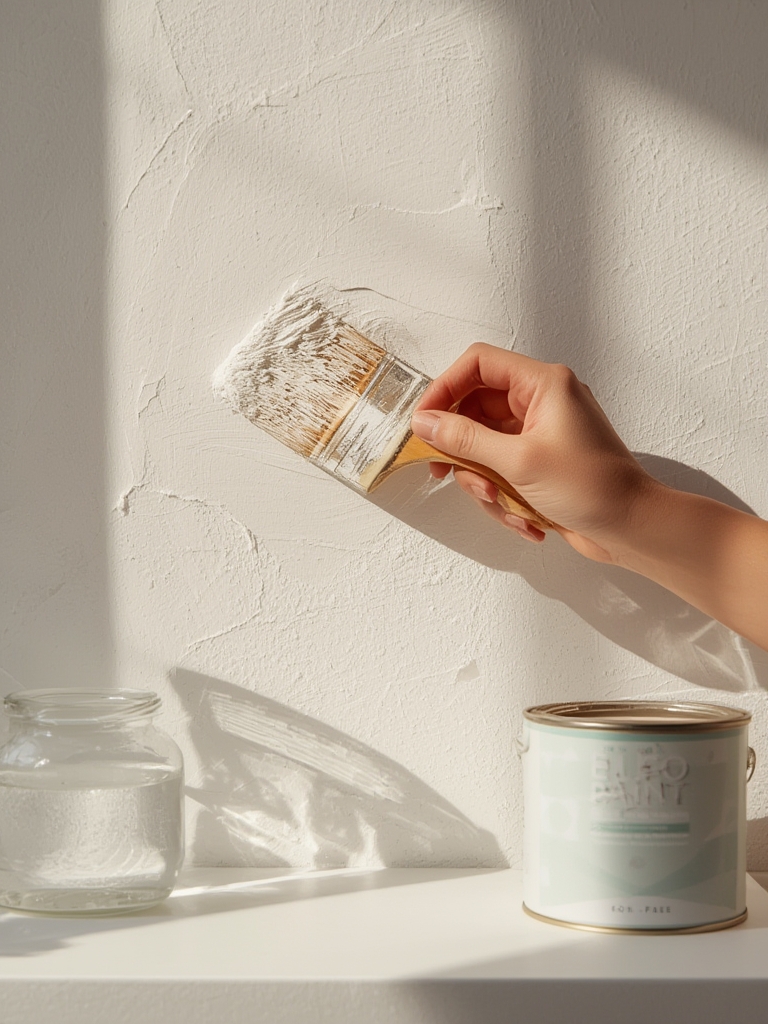
3. Apply Paint the Right Way
- Ventilate: Even low-VOC paints can have a slight odor immediately after application. Use fans and open windows, especially in nurseries. If possible, let rooms cure for several days before regular occupancy.
- Multiple coats: Eco-friendly products sometimes require more coats for solid coverage—test your wall color on a hidden patch and plan for an extra coat on darker or porous surfaces.
- Eco tools: Invest in brushes and rollers made with recycled or natural materials, and always clean them with biodegradable soap for reuse.
4. Evaluate After Painting
- Monitor air quality: Low-energy air quality sensors can track VOCs, giving peace of mind especially in nurseries or bedrooms.
- Note finish and durability: Record scuffs or stains over 3-6 months to judge if the brand performs as promised. Some sustainable paint brands now rival or beat conventional durability; others still lag depending on surface.
Want more tips specific to baby rooms? Explore our complete guide to eco paint for nurseries.
Advanced Analysis & Common Pitfalls: What Most Miss About Eco Paints
Market data and customer feedback highlight important challenges when choosing eco-friendly paint in 2024:
| Consideration | Eco-Friendly Paint | Conventional Paint |
|---|---|---|
| VOC Content | Low/Zero. Water-based formulas; plant-based possible. Verify VOCs are <5g/L (for “zero-VOC”); some allow up to 50g/L for “low-VOC”. | Often 100-250g/L—high potential for off-gassing and indoor air pollution. |
| Durability | Improving, but some brands show weaker stain resistance and shorter lifespan in high-traffic areas. | Very reliable for toughness and cleaning. Outperform in heavy-use environments. |
| Color Range | Expanding, but can lag behind the vast selection of conventional paints. Dark or ultra-bright shades occasionally tricky to achieve. | Extensive—virtually every color, finish, and effect available. |
| Cost | 10-40% higher due to bio-based ingredients and certifications. | Lowest price per gallon. Bulk/contractor discounts widely available. |
| Certifications | Look for third-party logos (GreenGuard, Cradle to Cradle, EcoLabel). Not every “eco” label is meaningfully verified. | Rare; almost never present. |
Common Pitfalls to Avoid
- Assuming all green labels mean the same thing. “Low-VOC” is not “zero-VOC.” Look for independent certifications on the product itself and cross-reference with EPA Safer Choice databases.
- Disregarding surface prep. Eco paints can accentuate unfilled cracks, greasy marks, and stains. Skimping on prep leads to flaking and poor finish.
- Not budgeting for extra coats. Plan to buy 10-20% more paint for optimal coverage, especially on porous drywall or unfinished wood.
- Expecting instant “no smell.” Some natural paints have distinct plant or clay scents that fade with airflow but may linger a few days.
- Mixing incompatible primers. Always use the same brand or manufacturer-recommended primer; mismatched products can reduce adhesion.
Many eco paint buyers also seek advice on adjacent sustainable solutions. If healthy, silent spaces are your priority, consider the impacts of soundproofing—our resource on DIY acoustic insulation covers cost-effective, eco-safe methods.
Top Eco-Friendly Paint Brands: The Certification Gap
Globally, PPG Industries, AkzoNobel, Sherwin-Williams, BASF Coatings, Asian Paints, and Berger Paints lead in introducing sustainable paints [full market analysis]. However, third-party toxicity and sustainability certifications vary—always verify claims via the GreenGuard or Cradle to Cradle databases, as not every brand’s “eco” line is equally reviewed. This lack of consistent verification is a common blind spot for both competitors and buyers. For more in-depth rankings, see our sustainable paint brands comparison.
Conclusion & Next Steps
As the eco-friendly paint sector grows, consumers are demanding verified safety, sustainability, and real performance—not just green promises. Choosing and installing eco-friendly paint carefully can make your home and nursery healthier. Pay close attention to detailed certifications, surface prep, and realistic expectations about durability or price. Ready to see which eco paint fits your project? Explore our latest recommendations or consult independent market research here. Want more healthy home upgrades? Start with eco-smart living at NestEcoHome today.
FAQs
What makes paint “eco-friendly”?
Eco-friendly paint is defined by low or zero VOC emissions, sustainable or renewable ingredients, and manufacturing methods that reduce waste and pollution. Certification by bodies like GreenGuard or Cradle to Cradle provides extra assurance.
Can I use eco-friendly paint in a baby nursery?
Yes, as long as you choose zero-VOC, third-party certified brands. Proper ventilation and curing time are still important before letting baby sleep in the room. Read our guide on eco paint for nursery for best practices.
Does eco paint cost more than conventional paint?
Typically yes. Eco-friendly paint usually carries a price premium of 10–40% per gallon. Higher upfront costs are balanced by health benefits and, sometimes, eligibility for green home rebates.
Are all low-VOC paints non-toxic?
No. Low-VOC means reduced emissions, but some harmful solvents or additives may still be present. Only zero-VOC, third-party tested products offer the highest standard of non-toxicity. Always check product datasheets and certifications.
How do I verify if a paint is really eco-friendly?
Look beyond marketing claims. Find out if the product has independent third-party certification (e.g., GreenGuard, Cradle to Cradle) and check VOC content on the technical data sheet. For verification tips, see our certification and label guide.