

### Blog Post:
DIY soundproofing is often the fastest and most affordable path to a quieter home, but most guides overlook crucial mistakes, costs, and realistic noise reduction limits. Whether you’re blocking street noise, stopping noisy neighbors, or controlling echoes, knowing what works—and what doesn’t—can save money and headaches.
Key Takeaways
- Simple DIY soundproofing methods can reduce noise by 3 to 10 dB, but professional solutions far outperform them for tough noise problems.
- Most frustrations come from gaps, limited effect of acoustic panels, and loss of room space when using high-performance systems.
- Homemade soundproof panels using rockwool or fibreglass are effective for echo control and can cost as little as $28.
- The Core Concept: What Really Works and Why
- Step-by-Step Guide: Effective DIY Soundproofing
- Advanced Analysis & Common Pitfalls
- Conclusion
- FAQ
The Core Concept: What Really Works and Why
DIY soundproofing covers a spectrum, from sealing door gaps with weatherstripping tape to adding custom acoustic panels. The main noise types in homes are airborne (voices, TV), impact (footsteps, drops), and structure-borne (vibrations through the building). Each requires a specific approach. Lightweight methods like rugs or foam panels absorb internal sound, while adding mass (e.g., plasterboard) or decoupling (air gaps, clips) is needed to truly block noise transfer between spaces.
Popular DIY fixes such as weatherstripping can cut noise by up to 10 dB, while thick homemade or commercial panels typically manage a 3 to 4 dB drop for echo. Secondary glazing, though pricier, excels at reducing external noise through windows. For serious noise, high-density panels and decoupled wall systems offer much better results but tend to cost more and require more space.
Step-by-Step Guide: Effective DIY Soundproofing
- Identify Your Primary Noise Problems.
Is the issue airborne noise from adjacent rooms, impact noise from above, or persistent outside sounds? This determines your materials and methods. - Seal All Air Gaps.
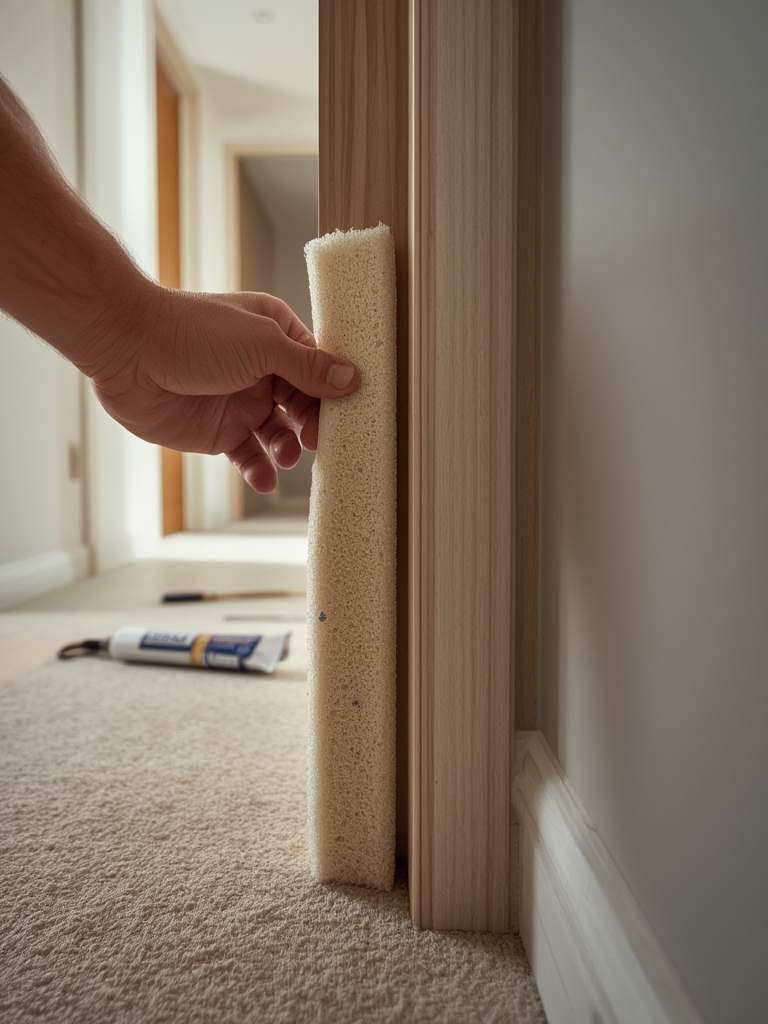
Use weatherstripping tape for doors and windows. Even small leaks let in a lot of noise. Focus on door perimeters, keyholes, and window frames. For under $10, this is usually the highest dB-per-dollar return for DIYers (source). - Treat Floors with Dense Rugs.
Place thick, heavy rugs and upgrade with dense underlays, especially in high-traffic areas. These absorb impact noises like footsteps but are of little use against airborne sounds (source). - Install Homemade Acoustic Panels.
For echoes and interior reflection, make wall panels using rockwool insulation wrapped in fabric. One 2×4 ft panel can be assembled for about $28 and will noticeably reduce room echo.
Find step-by-step plans from expert sources such as this guide for measurements and fabric ideas. - Use Secondary Glazing on Windows.
Adding an internal acrylic or glass layer with an air gap is highly effective for blocking outside airborne noise. - Add Mass or Decouple for Serious Noise.
For stubborn noise through walls, consider adding a second layer of acoustic plasterboard, ideally mounting it with vibration-isolating clips (e.g., ReductoClip systems). Expect more space loss (60 to 120mm), but this is essential for heavy-duty noise (source). - Fill Cavities with Mineral Wool.
For hollow walls and ceilings, stuff the cavities with dense acoustic mineral wool to stop drum-like resonance (source).
Advanced Analysis & Common Pitfalls
Many guides skip the limitations and challenges of DIY soundproofing. Here are the primary pitfalls you need to consider, along with a comparison of common solutions so you avoid wasting effort and money:
| Method/Material | DIY or Pro | dB Reduction | Best for | Main Downside | Cost Range |
|---|---|---|---|---|---|
| Weatherstripping | DIY | Up to 10 dB | Airborne noise at doors/windows | Limited effect on loud or bass noise | $5-$20 |
| Carpets/Rugs with Dense Pads | DIY | Impact reduction only | Footsteps, drops (impact) | Little effect for voice/music | $20-$100/room |
| Homemade Acoustic Panels | DIY | 3-4 dB (echo only) | Reverberation, some airborne | Does not block external noise | $28/panel |
| Secondary Glazing | DIY or Pro | Significant (unquantified) | External airborne | Higher material cost, tricky for large windows | $50-$200/window |
| High-Density Wall Panels (DECIBOARD, ReductoClip) | Pro or Advanced DIY | 15-30 dB (to 77 dB DnT,w) | Airborne & structure-borne | Space loss (60-120mm), higher cost | $150-$500/wall |
Common User Frustrations include:
- Sound leaks through remaining gaps even after weatherstripping, especially at doors and windows (source).
- Installing thermal-focused wall systems (gypsum plus wool) can worsen vibration transmission if not handled correctly (source).
- Acoustic panels only reduce echo, not actual transmission—many expect too much from them.
- Direct-to-wall panels have trouble with low bass through solid walls compared to decoupled frame solutions.
- Space loss (60-120mm) is a frequent dealbreaker in small rooms for pro-level results.
For strategies that work beyond standard panel techniques, explore more advanced ideas like decoupling with air gaps and vibration-damping clips—many competitor articles skip this critical topic. Integration of cavity mineral wool to prevent drum resonances is also under-discussed but highly effective. For more on novel approaches, see our guide to advanced soundproofing techniques for home offices.
Conclusion
Most DIY soundproofing projects deliver real improvements, but managing expectations is key. Simple DIY steps—sealing gaps, adding thick rugs, and building acoustic panels—work for minor issues and internal echo, while serious noise reduction needs decoupling and dedicated vibration isolation. Budget solutions can be combined for layered protection, often all for under $100 if you focus on the right priorities. Want more advanced solutions or to avoid common mistakes? Start with our detailed soundproofing wall guide and check out step-by-step plans for DIY acoustic panels. Ready to transform your space? Try one method today and notice the difference tomorrow.
FAQ
How much noise can DIY soundproofing really block?
Sealing gaps and adding household soundproofing usually cuts 3 to 10 dB—enough to soften speech or control echo, but not silence loud neighbors or traffic. For major airborne noise, advanced wall systems or decoupling are required.
What’s the best DIY soundproof panel material?
Rockwool or dense fibreglass wrapped in breathable fabric absorbs a broad range of frequencies and matches commercial panels for internal echo control. One 2×4 ft panel can be built for about $28.
Can I use moving blankets instead of acoustic panels?
Moving blankets are a temporary fix for echo and some outside noise, but offer far less absorption than properly built panels. They work for renters or temporary setups, but aren’t a long-term substitute.
Will extra drywall really help with noise?
Yes, adding drywall (preferably with Green Glue or as part of a decoupled system) increases mass, which helps block airborne noise. Combined with clips or cavity insulation, the results are much better—see our guide on soundproofing with mass layers.
Do I need to soundproof every wall in a room?
It depends. Usually, addressing the “weakest link” (shared wall, door, or window) provides the most noticeable improvement. You can continue adding treatments based on how much sound seeps through after each step.